
I used to think a life had a single arc - a clean, linear, building toward one inevitable conclusion. Then I grew up, fell down, got back up, became a mother, left jobs, left cities, wrote books, scrapped pages, and started again. As I struggled to write my memoir over 5+ years, I discovered the truth: life is a long, unruly conversation with reinvention.
I use to be ashamed of how many times I’ve restarted. Careers. Book projects. At times, my life has looked like a string of unfinished drafts. But this willingness to begin again, is what has sustained me. I’m constantly filled with the ache of grief and the wonder of unexpected connection. And it’s in my nature to go searching for a book to offer me some guidance. * A life hack, if you will. * Tbh, rereading is one of the clearest metaphors for reinvention as we age.
Think about it, when we’re younger, we read for plot. I mean, as a child I was always eager for answers and clear resolution. I would underline sentences that felt like instruction manuals for becoming someone. For example:
How to love? Read Communion by bell hooks
Yearning to explore and discover your own magic? Zora Neale Hurston’s Their Eyes Were Watching God is a reading requirement.
How to survive life * and everything in between? Try Maya Angelou’s I Know Why the Caged Bird Sings
Essential essays on feminism & sexuality? Sister Outsider by Audre Lorde
The life reading list can go on forever. From Toni Morrison to Nikki Giovanni to Edwidge Danticat…
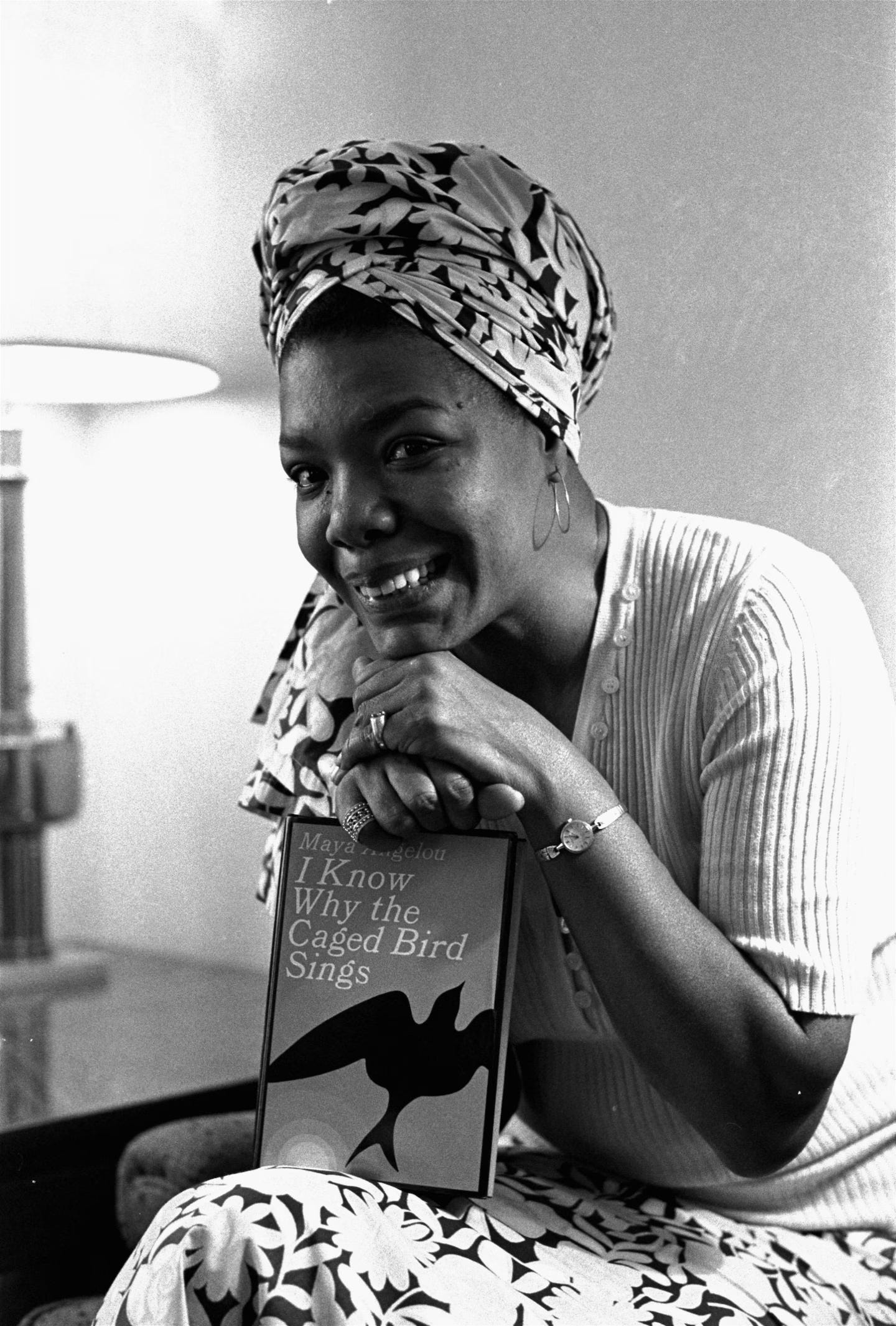
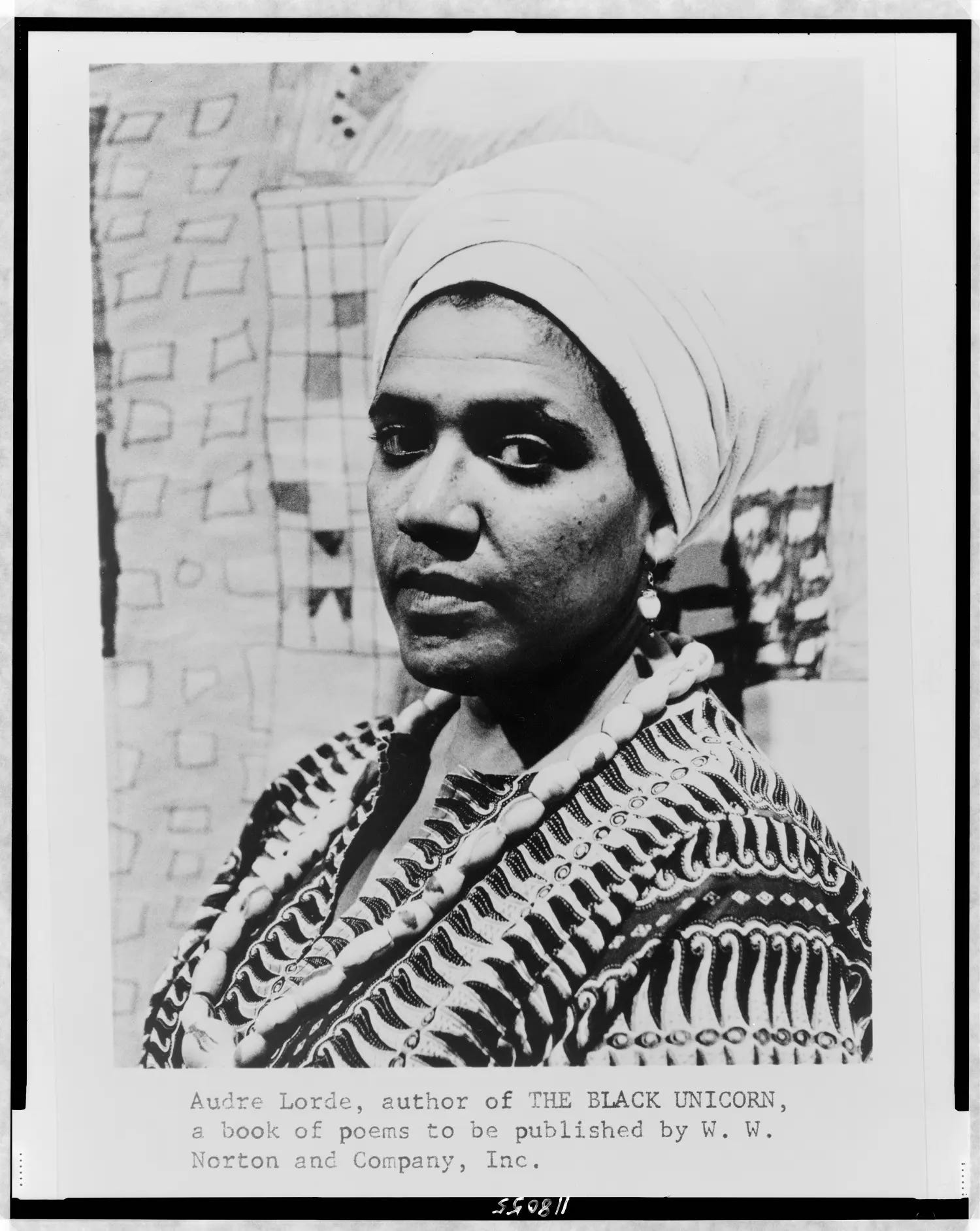
There is a book for every BIG, unruly question in LIFE. As I grew older, I returned to the same books over and over again — but I had changed as a person. I was carrying new memories and a fuller sense of self. More joy. More grief. Narratives that once felt abstract in my mind suddenly felt more complete. Few writers reveal this transformation as powerfully as Toni Morrison.
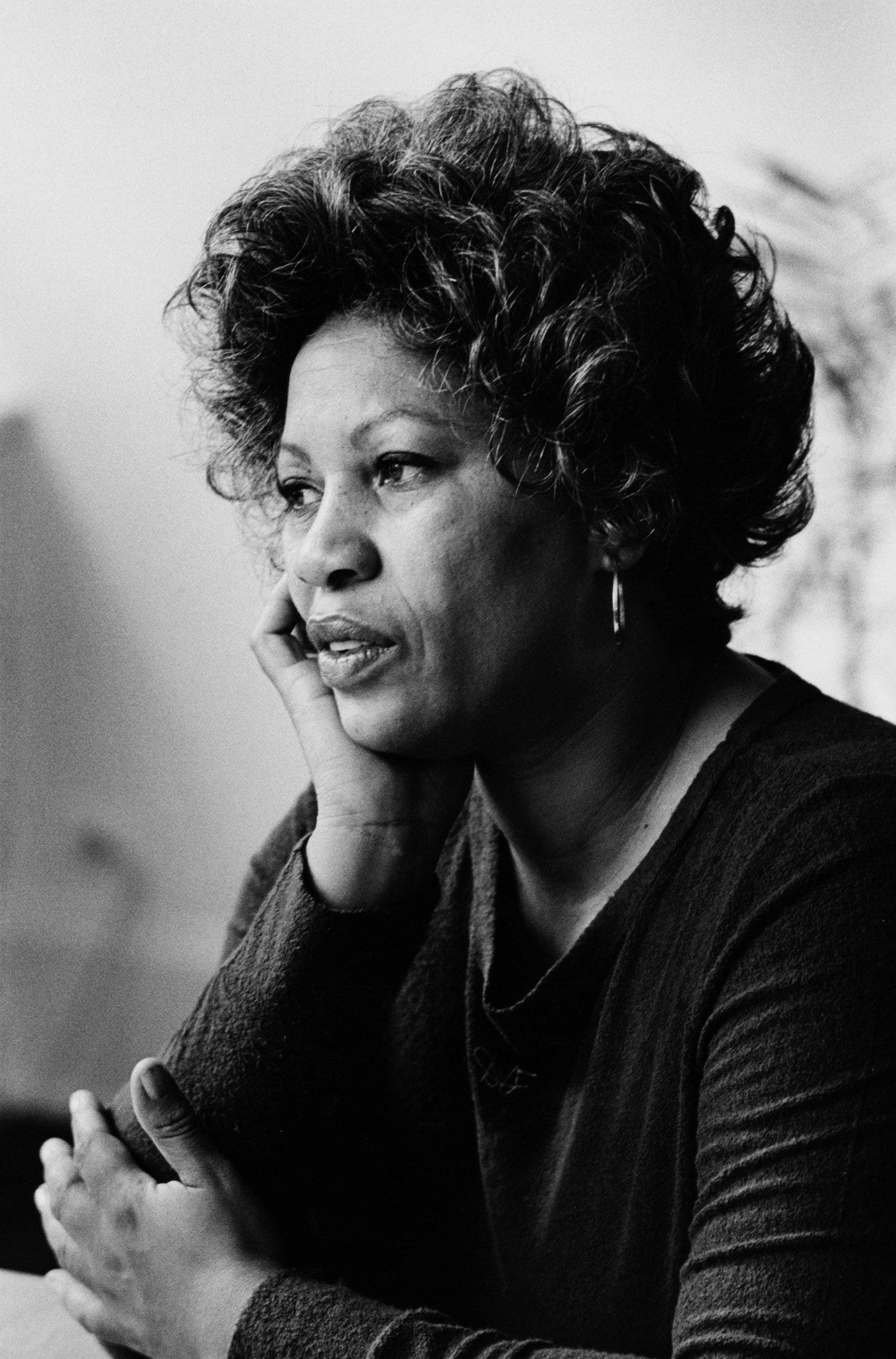
The first time many of us encounter Beloved, we are struck by its haunting and the unspeakable weight of American history. We read it as a story about the past, about slavery’s brutality, about memory as something that intrudes. But listen, reread it later in life, after you’ve loved deeply, lost deeply, or become responsible for another human being, and the entire novel shifts. It becomes a meditation on what we carry, what we refuse to release, and what it costs to survive when survival itself demands impossible choices.
Sethe is no longer just a symbol. She is a mother reckoning with the unbearable. And suddenly, the book isn’t asking what happened; it’s asking what do you do with your reality?
Then there is Sula. A novel that almost insists on being reread.

When I was younger, I felt like I had to choose a side. I admired Sula’s defiance. I thought Nel was a “good” woman who followed the rules. The first read felt moralistic, too tidy. Over time my lived experience disrupted that youthful clarity. Sula’s refusal to live a prescribed life no longer read as selfishness; it reads as a radical insistence on self-definition. And Nel’s devotion to respectability begins to reveal its true cost. The grief that devastates Nel at the novel’s end lands differently when you’ve lived long enough to realize how many versions of yourself you abandoned to survive.
“When you gone to get married? You need to have some babies. It’ll settle you.’
‘I don’t want to make somebody else. I want to make myself.
― Toni Morrison, Sula
The ache of Sula is not about friendship lost. It’s about the selves we outgrow, betray, or never fully become. That’s reinvention.
I’ve been thinking so much about the loss of writer DéLana R. A. Dameron. I will never forget when she told me that every single year she reread Sula.
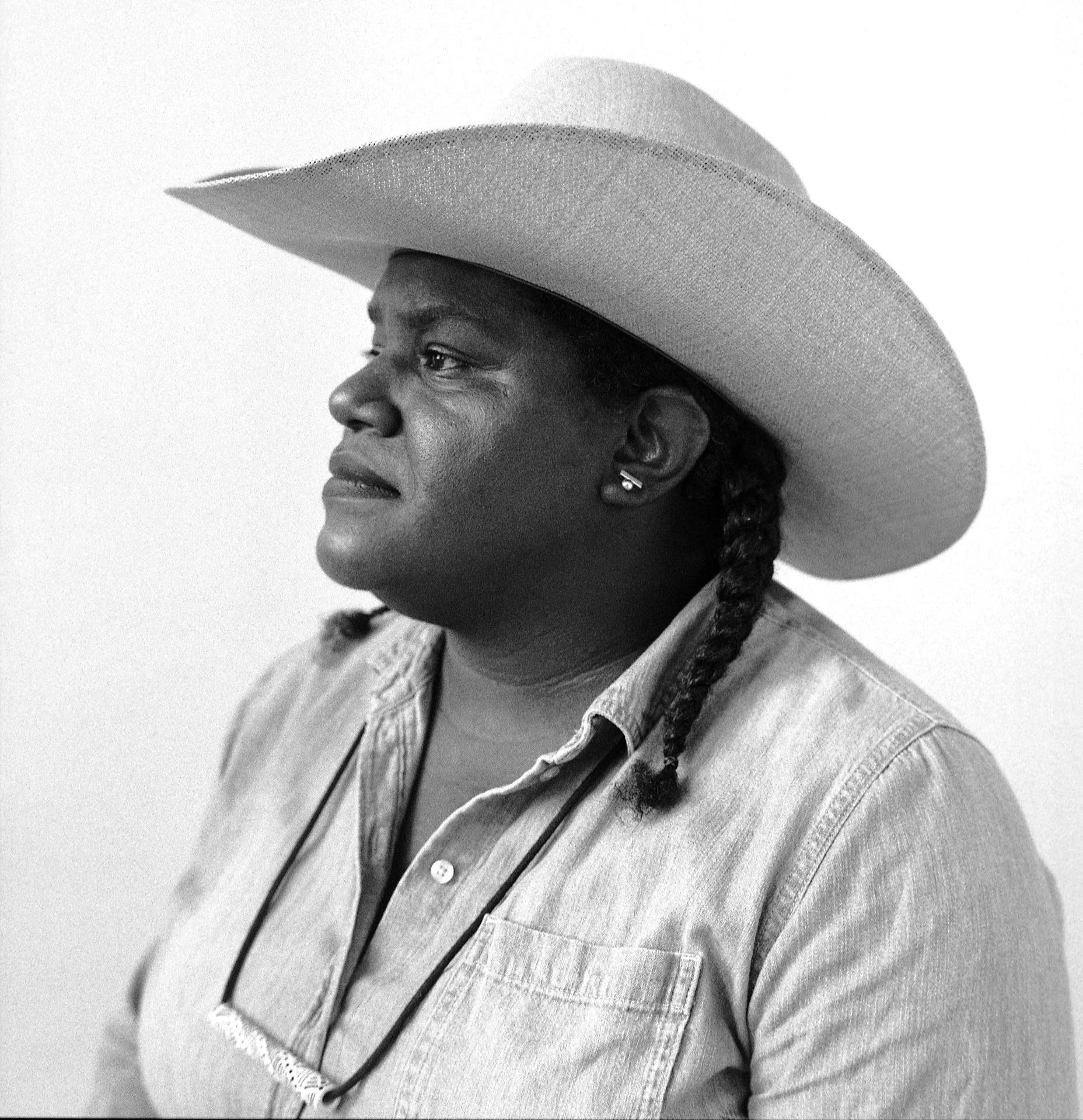
DéLana insisted that Black imagination mattered in her writing. Our joy was worthy of deep attention. Her debut novel, Redwood Court, came into being because she listened to her ancestors and cherished the South. She understood the importance of the archive. Her work was never just about language on the page; it was about presence and honoring the past. About standing fully in one’s unique voice.
Her words will continue to be read aloud, returned to, underlined, memorized.
We cherish DéLana for the legacy she leaves behind: a body of work that honors Southern Black life in all its complexity, and a pathway for writers to claim their voices without apology.
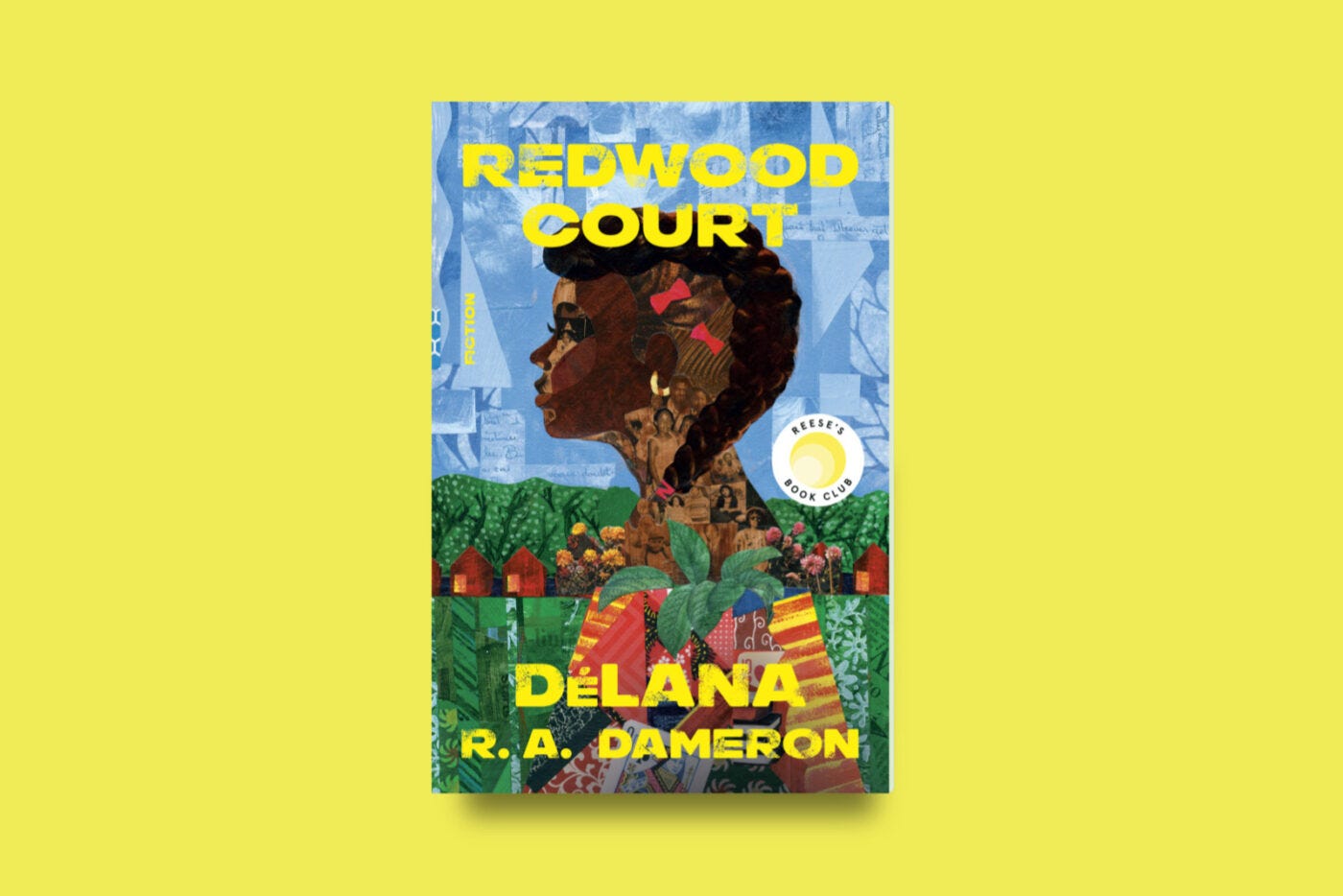
DéLana re-read Sula yearly. She understood Morrison’s work doesn’t reward the reader who wants certainty. It rewards the reader willing to sit with complexity. With the understanding that we are never one fixed self.
I love rereading books. Because each reread becomes a conversation between who you were and who you are now. To reread is to admit that growth doesn’t mean discarding your former selves; it means understanding them with more compassion.
I was a college student who read Toni Morrison for survival. And then a new mother who reads her for truth. I continue to study Morrison’s precise language and learn how to hold joy & sorrow at the same time.
We reinvent ourselves the same way we reread books: slowly, imperfectly, returning to old chapters with new questions. I have gone back to forgive characters I once judged harshly. I recognized myself in places that I didn’t expect. Toni Morrison once said she wrote for Black people “in the same way that Tolstoy wrote for Russians.” Her books age with us because they were never meant to be consumed once and set aside. They are meant to be studied and lived with. From The Bluest Eye to the Song of Solomon…her work is full of life changing revelations.
Our lives are full of returns. In the new year, I encourage you to return to your bookshelf and all the different people you’ve been over the years. And remember, rereading is simply not nostalgia.
It’s evidence that you are still becoming. I have reinvented myself thousands of times; starting over in dorm rooms, in small apartments with a baby crib pressed against my bed, at desks cluttered with half-finished manuscripts, and at kitchen tables where I whispered new promises to myself. I’m so grateful that I always had a book to offer me guidance; a steady reassurance that everything would work out the way it’s suppose to…
So, how many times can you start over?
As many times as you need to return to yourself.
This was a great read. There was a quote I came across in a conversation: "I don't want to know what you've read. I want to know what you reread." This idea of studying a text, paying attention to the font, becoming familiar with the deeper intention of the author–all while carrying new experiences–is too often overlooked and undervalued.
Thanks for the reminder.
This was a near biblical word and Lord knows I needed it!